
Ca Mau Food Guide
Ca Mau is a paradise for seafood lovers and one of the Mekong Delta's most exciting culinary destinations. Surrounded by rivers, mangrove forests, and coastal waters, the province is famous for fresh crab, shrimp, mudskippers, grilled seafood, and flavorful regional specialties. Visitors can enjoy authentic dishes at floating restaurants, local markets, and family-run eateries while discovering the rich food culture of Vietnam's southernmost province. This Ca Mau Food Guide introduces the must-try dishes and unforgettable flavors waiting to be explored.
On this page
To step into the deep south of the Indochinese peninsula is to submit to an environment ruled by water, silt, and tide. Here, the air is perennially thick with the salty, earthy aromas of the coastal mudflats, mingled with the smoke of charcoal-roasted river catches and the sweet, floral scent of the melaleuca forest. Understanding the cultural identity of this region requires more than visual observation; it demands complete sensory and gastronomic immersion. If you are compiling a comprehensive Mekong Delta food guide, the southernmost province stands entirely on its own. This comprehensive ca mau food guide is an ethnographic map of a cuisine that represents the absolute purest iteration of "river-to-table" dining in Southeast Asia.
When travelers ask what to eat in ca mau, they must abandon expectations of refined metropolitan dining. The local culinary philosophy is dictated by raw, untamed nature. From the dense, brackish coastal sanctuaries that yield the best mud crab in vietnam to the acidic peat swamps sheltering ancient apiculture traditions, every dish is an unfiltered reflection of its ecosystem. Prepare your palate for an expedition through intense fermentation, aggressive spice, and profound savory depth.
The Kings of the Mangroves: Seafood Gastronomy in Our Ca Mau Food Guide
The province’s geography—a peninsula flanked by the Gulf of Thailand and the East Sea—creates an unparalleled brackish water habitat. The labyrinthine root systems of the mangrove forests act as natural nurseries, infusing the local seafood with a pristine, briny intensity that cannot be replicated in artificial aquaculture.
1. The Legendary Ca Mau Mud Crab (Cua Cà Mau)
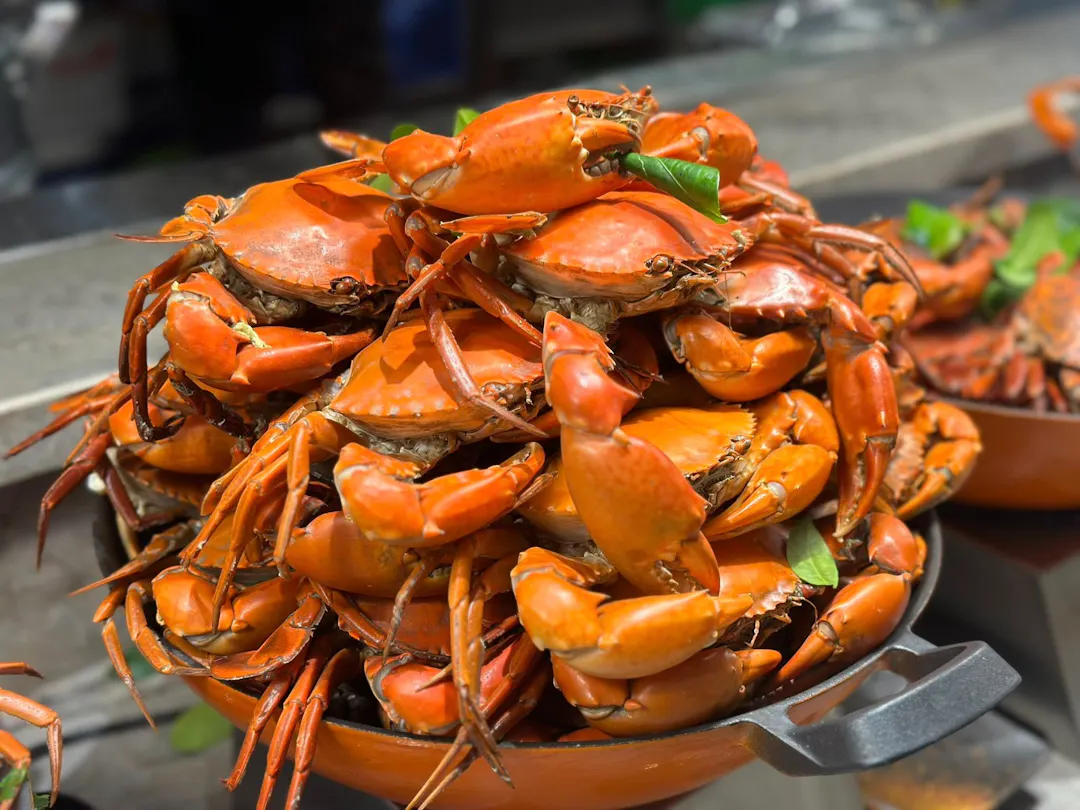
Any discussion of ca mau specialties must begin with the undisputed sovereign of the delta: Cua Cà Mau. Gastronomes universally acknowledge this species as the best mud crab in vietnam. Reared within the nutrient-dense, tidal mud of the Nam Can and Ngoc Hien districts, these crustaceans develop an incredibly muscular anatomy and a firm, sweet, and succulent flesh profile. The meat possesses a natural salinity, requiring minimal seasoning, while the prized orange roe (gạch) offers a rich, buttery finish that coats the palate.
To distinguish a genuine wild-caught Cua Cà Mau from inferior farmed substitutes, observe the carapace. Authentic specimens feature a hardened, dark shell, often coated in a fine, inescapable layer of grey alluvial silt, and their claws are disproportionately large and heavily scarred from territorial mangrove battles. Whether consumed plainly steamed with a side of salt, pepper, and lime (muối tiêu chanh), or wok-tossed in a sticky, tart and tangy tamarind glaze (cua rang me), the culinary experience is visceral and deeply satisfying.
2. Vop (Mangrove Clams)
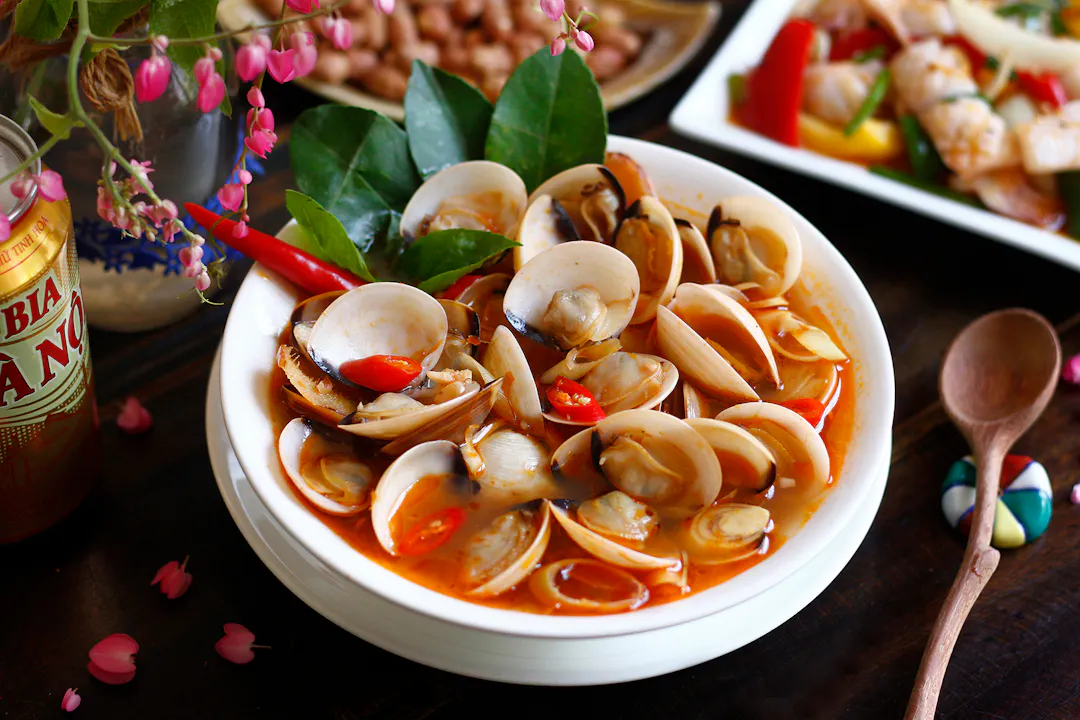
Hidden deep within the anaerobic mud beneath the đước (Rhizophora) trees lies the Vọp, a massive, thick-shelled mangrove clam that dwarfs standard coastal varieties. Harvesting them requires immense local knowledge, as foragers must navigate shifting tides and tangled root systems. The meat of the Vọp is extraordinarily substantial, boasting a chewy, resilient texture and a bold, oceanic brine.
Locals prefer to respect the ingredient’s natural integrity through minimalist preparation. The clams are typically charcoal-roasted on open grates, seasoned simply with a pinch of coarse sea salt and crushed bird's eye chili, allowing the clam’s natural juices to steam the meat within its own shell. Alternatively, they are steamed in a broth of bruised lemongrass and ginger, which cuts through the clam's inherent earthy musk and provides a fragrant, aromatic balance.
3. Fresh River Catch: The Amphibious Mudskipper
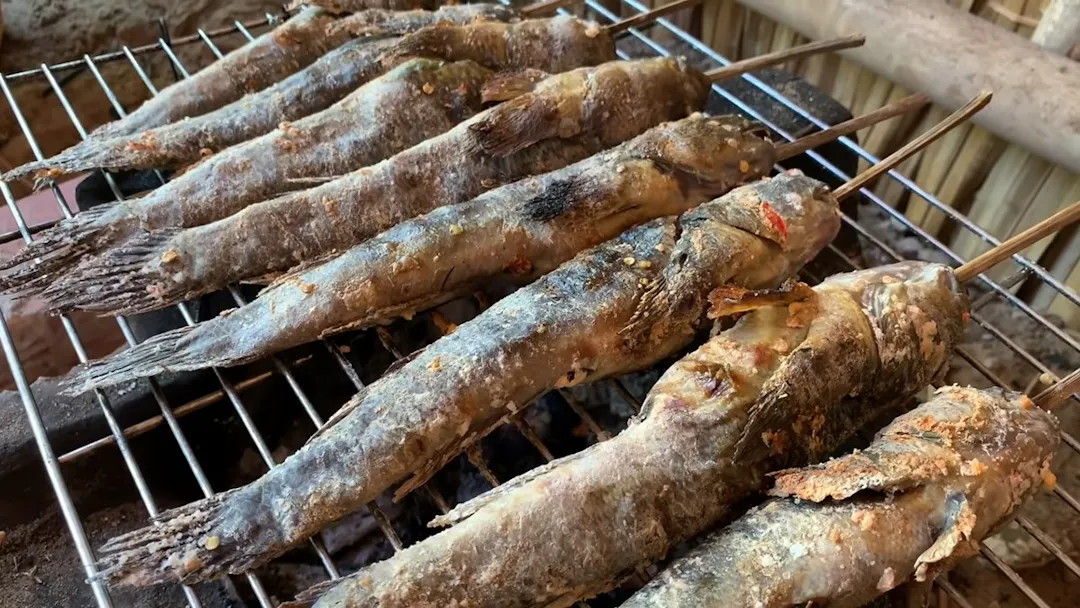
No creature embodies the evolutionary spirit of the Ca Mau peninsula quite like the cá thòi lòi (mudskipper). This amphibious fish, which "walks" across the mudflats and climbs mangrove roots, is a staple of the coastal diet. Because of their constant physical exertion, the meat is surprisingly lean and possesses a dense, firm texture unlike any other river fish, completely devoid of the muddy aftertaste often associated with delta catches. When skewered and charcoal-roasted until the skin blisters into a crispy, charred crust, or simmered in a sour, tamarind-infused broth (canh chua), the mudskipper reveals a complex, robust earthiness that serves as a testament to the region’s rugged terroir.
Flavors of the Forest: U Minh Ha Cuisine in the Ca Mau Food Guide
Moving inland from the saline coast, the landscape transitions into the U Minh Ha National Park—a vast, freshwater wetland dominated by acidic peat soils and dense melaleuca (rừng tràm) canopies. U Minh Ha cuisine is a masterclass in utilizing the harsh, tannic environment to produce flavors of profound intensity and fermented complexity.
1. Wild Honey Delicacies and the Apiculture Harvest
The cultural triumph of the U Minh forests is the ancient craft of gác kèo ong—the strategic placement of wooden rafters to attract wild Asiatic honeybees. The resulting melaleuca honey is distinct from commercial floral varieties; it carries a robust, slightly tangy, and deeply floral profile, stained a dark amber by the forest's tannins.
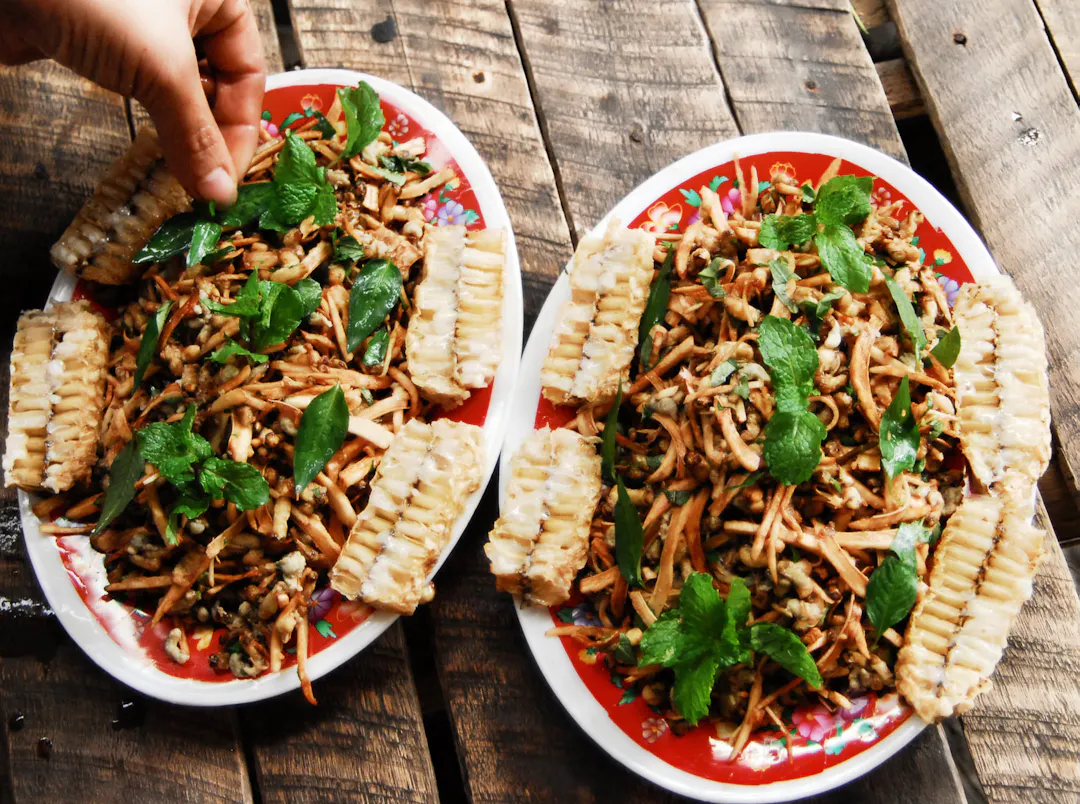
However, the true gastronomic prize for the adventurous eater is Ong non (young bee larvae). Harvested directly from the wild combs, these larvae are a highly prized, protein-dense delicacy. The texture is exceptionally creamy, bursting with a rich, nutty flavor that resembles high-end bone marrow or fine pate. To cut through this intense richness, locals expertly prepare Ong non as a vibrant salad (gỏi), tossing the larvae with shredded banana blossom, sharp mint, and a fiery, citrus-laced dressing. Alternatively, they are flash-fried with garlic and fish sauce, creating a crispy, savory exterior that yields to a velvety center.
2. Snakehead Fish Specialties and Fermentation Arts
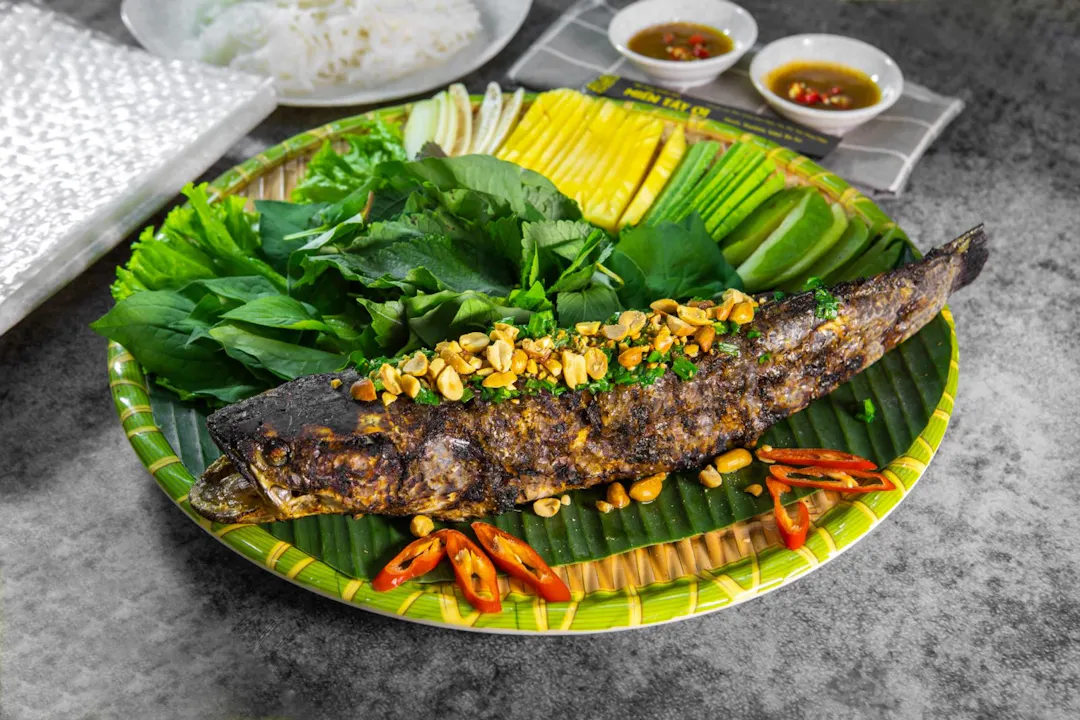
The acidic, tea-colored waters of U Minh Ha restrict aquatic biodiversity, but they provide the perfect breeding ground for aggressive, wild snakehead fish (cá lóc). In a climate with extreme monsoonal flooding and severe dry seasons, preserving the harvest became a matter of survival, leading to the perfection of Mắm cá lóc (fermented snakehead fish).
This preservation technique involves curing the heavily salted fish with toasted rice powder (thính), resulting in a pungent, intoxicating aroma and a staggering umami-bomb of flavor. This ingredient forms the foundational backbone of Lẩu mắm, the iconic fermented fish hotpot of the Mekong Delta. The broth is dark, murky, and layered with funky, savory depth, bolstered by an armada of freshly forged wetland vegetables like water lily stems, bitter melon, and yellow velvetleaf (kèo nèo). Eating Lẩu mắm is a rite of passage; it is a dish that commands respect and entirely overwhelms the senses.
Iconic Local Comfort Foods: A Core Chapter of This Ca Mau Food Guide
Beyond the specialized harvests of the mangroves and the deep forest, the daily rhythms of the province are fueled by deeply comforting, heavily spiced street foods and ingenious preservation methods that trace their origins to the early pioneers of the southern delta.
1. Bánh Tằm Cay (Spicy Silk-Thread Noodles)
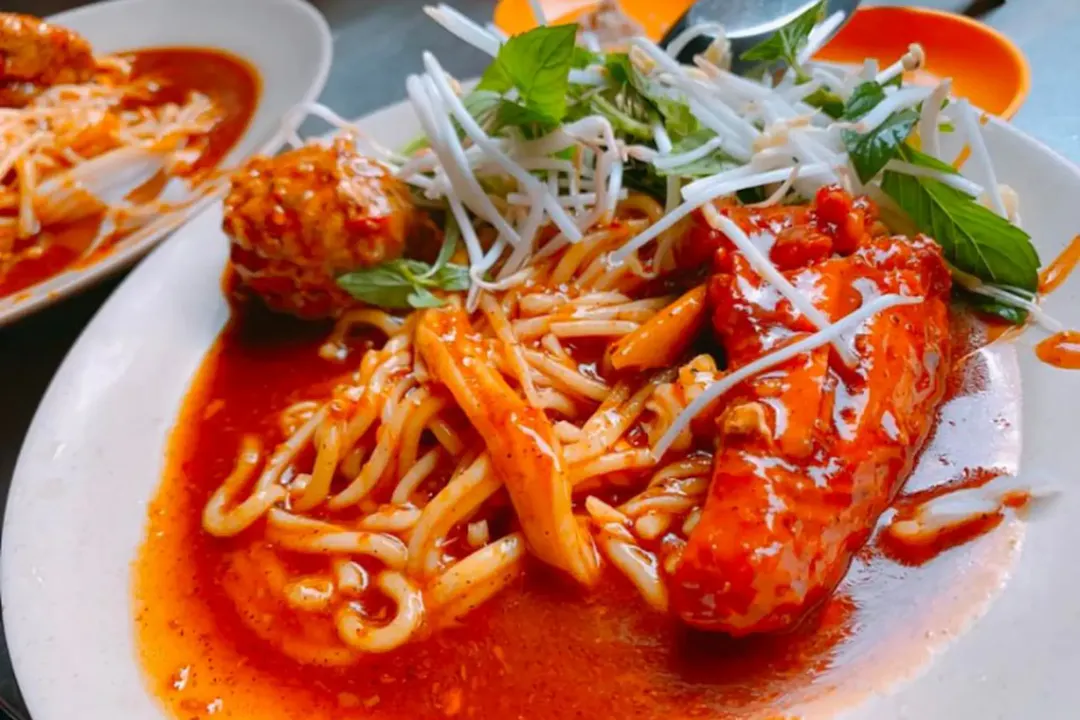
To understand the urban palate of Ca Mau City, one must seek out a steaming bowl of bánh tằm cay. This dish stands in stark contrast to the generally mild, sweet flavor profiles found elsewhere in the Mekong Delta. It features thick, hand-rolled noodles made from a blend of rice and tapioca flour, resulting in a highly satisfying, chewy, silken texture that mimics the appearance of silkworms (tằm).
The noodles are drenched in a fiery, vibrant orange coconut curry, typically ladled over tender, slow-braised chicken or densely packed pork meatballs (xíu mại). What elevates bánh tằm cay is the aggressive interplay of its components: the rich, creamy sweetness of freshly extracted coconut milk violently clashes with a heavily pounded chili-lemongrass paste, delivering a sharp, lingering heat. It is a masterful balancing act of fat, spice, and starch.
2. The Dry Seafood Culture of the Coastal Markets
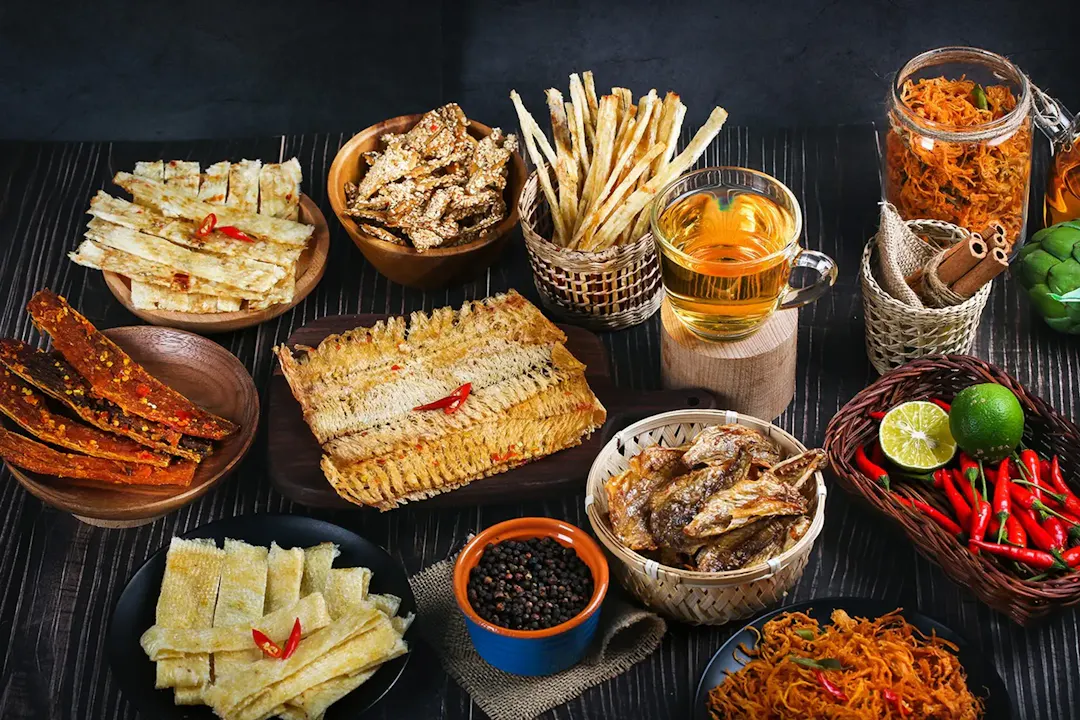
Wandering through the Ward 7 Market or the quaysides of Nam Can, one is immediately struck by the towering stacks of cured marine life. The production of khô mực (sun-dried squid) and khô cá sặc (dried snakeskin gourami) is not merely a commercial enterprise; it is a historical necessity born from a time before refrigeration, when the massive seasonal hauls had to be preserved to sustain the population through the brutal monsoon months.
The intense equatorial sun and the ceaseless sea breeze rapidly dehydrate the seafood, locking in a highly concentrated, salty umami. Khô mực, in particular, is a legendary drinking snack. When lightly toasted over a charcoal brazier, the squid curls and releases an intoxicating, smoky, marine aroma. Pounded flat to tenderize the meat, it is torn into strips and dipped into a sweet and spicy chili sauce—a textural marvel that requires deliberate, prolonged chewing to release its complex, oceanic salinity.
Practical Dining Logistics for Foreigners
Executing a successful culinary expedition in the deep delta requires keen situational awareness. When navigating local hubs like the Ward 7 Market, follow the smoke; the most authentic stalls are often unmarked, relying entirely on the visual cue of an active charcoal grill and the high turnover of local patrons. This high turnover is your greatest guarantee of food safety and freshness.
When purchasing Cua Cà Mau, be wary of commercial traps strategically located on the main tourist highways; instead, source them from the muddy quayside vendors in Nam Can, ensuring the crabs are weighed before being bound with thick, water-logged ropes designed to inflate the price. For delicate stomachs unaccustomed to robust delta microflora, approach heavily fermented dishes like Mắm cá lóc with moderation, pairing them strictly with steaming hot rice and freshly boiled herbs. Embrace the lack of air conditioning and plastic stools—this is where the true, unvarnished flavor of the south is found.
Concluding Our Ca Mau Food Guide
To consume the local cuisine of Vietnam's southernmost tip is to consume the geography itself. From the aggressive, tidal salinity of the coastal mud crabs to the ancient, tannic preservation methods of the peat swamp forests, every meal here is an education in environmental endurance and regional ingenuity. As you close this ca mau food guide, the ultimate decision remains for your upcoming expedition. Will you first seek out the highly coveted, sweet meat of the best mud crab in vietnam, or will you test your culinary courage by plunging into the rich, pungent depths of wild bee larvae and fermented river fish?
Read more: Ca Mau Travel Guide
Frequently Asked Questions About Ca Mau Food Guide
What food is Ca Mau famous for?
Ca Mau is famous for its exceptionally fresh seafood, especially Ca Mau crab, shrimp, mudskippers, clams, oysters, and grilled fish. The province is also known for traditional Mekong Delta dishes made with locally sourced ingredients from rivers, mangrove forests, and coastal waters.
Where can I try authentic local food in Ca Mau?
Visitors can enjoy authentic cuisine at seafood restaurants in Ca Mau City, local markets, riverside eateries, fishing villages, and family-owned restaurants. Many establishments serve freshly caught seafood prepared using traditional Southern Vietnamese recipes.
Is Ca Mau a good destination for seafood lovers?
Absolutely. Ca Mau is considered one of Vietnam's best seafood destinations. Thanks to its rich coastal ecosystem, visitors can enjoy premium-quality crab, prawns, squid, shellfish, and many other fresh seafood dishes throughout the year.
What food souvenirs can I buy in Ca Mau?
Popular edible souvenirs include dried seafood, dried shrimp, fish sauce, shrimp paste, local spices, seafood snacks, and specialty crab products. Many visitors also purchase regional delicacies from traditional markets before leaving the province.
Are there vegetarian food options in Ca Mau?
Yes. While Ca Mau is best known for seafood, many local restaurants and Buddhist vegetarian eateries offer plant-based dishes featuring tofu, mushrooms, vegetables, rice, and traditional Vietnamese vegetarian cuisine, making it easy for vegetarian travelers to find suitable meals.
Advertising box
Read More About Ca Mau Travel Guide
Continue exploring Ca Mau through our in-depth travel guides featuring top attractions, hidden gems, national parks, islands, local cuisine, transportation tips, suggested itineraries, cultural experiences, and practical travel advice. Discover everything you need to plan an unforgettable journey to Vietnam's southernmost province.

Best Places to Visit in Ca Mau
Ca Mau, Vietnam's southernmost province, is a fascinating destination known for its vast mangrove forests, rich biodiversity, and unique coastal landscapes. Visitors can stand at the iconic Cape Ca Mau, explore national parks, cruise through winding waterways, observe diverse wildlife, and experience authentic Mekong Delta culture. Whether you're interested in eco-tourism, birdwatching, seafood, or discovering Vietnam's southern tip, this guide highlights the best places to visit in Ca Mau for an unforgettable travel experience.

Best Things to Do in Ca Mau
Ca Mau offers unforgettable experiences where nature, adventure, and local culture come together at the southern tip of Vietnam. Cruise through vast mangrove forests, stand at the iconic Cape Ca Mau landmark, explore U Minh Ha National Park, enjoy fresh seafood, and discover traditional fishing communities along the coast. Whether you're seeking wildlife, eco-tourism, photography, or authentic Mekong Delta culture, this guide showcases the best things to do in Ca Mau for an unforgettable journey through Vietnam's southernmost province.
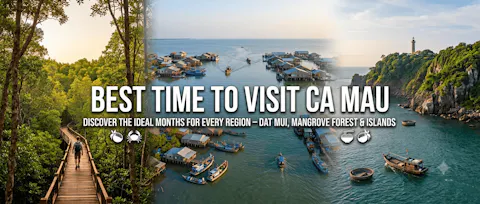
Best Time to Visit Ca Mau
Ca Mau welcomes visitors throughout the year with its tropical climate, diverse ecosystems, and spectacular coastal scenery. The dry season offers comfortable conditions for exploring Cape Ca Mau and national parks, while the rainy season transforms the mangrove forests into lush green landscapes filled with wildlife. Whether you're planning an eco-tourism adventure, birdwatching excursion, seafood experience, or cultural journey through the Mekong Delta, this guide helps you choose the best time to visit Ca Mau based on weather and seasonal highlights.

How to Get to Ca Mau
Located at the southernmost tip of Vietnam, Ca Mau is a fascinating destination known for its mangrove forests, coastal landscapes, and the iconic Ca Mau Cape. Although it lies far from the country's major tourism hubs, reaching Ca Mau is easier than many travelers expect. Whether you choose a domestic flight, a comfortable long-distance bus, a scenic road trip, or a motorbike adventure through the Mekong Delta, several transportation options make visiting this unique province convenient and rewarding.

Hidden Gems in Ca Mau
Beyond the famous Ca Mau Cape lies a world of hidden treasures waiting to be explored. Discover tranquil mangrove forests, quiet fishing villages, peaceful bird sanctuaries, untouched waterways, and authentic local communities that reveal the true charm of Vietnam's southernmost province. These lesser-known destinations offer unique cultural encounters, spectacular natural scenery, and unforgettable experiences far from the crowds. Explore Ca Mau's hidden gems and experience one of the Mekong Delta's most authentic and rewarding travel destinations.