
- Destinations
Northern Vietnam
Central Vietnam
- Attractions
Categories
World Heritage
Historical & Cultural
- Things To Do
Categories
Outdoor Adventures
- Food & Drink
Categories
Vietnamese Dishes
- Travel & Planning
Categories
- Inspiration
Categories
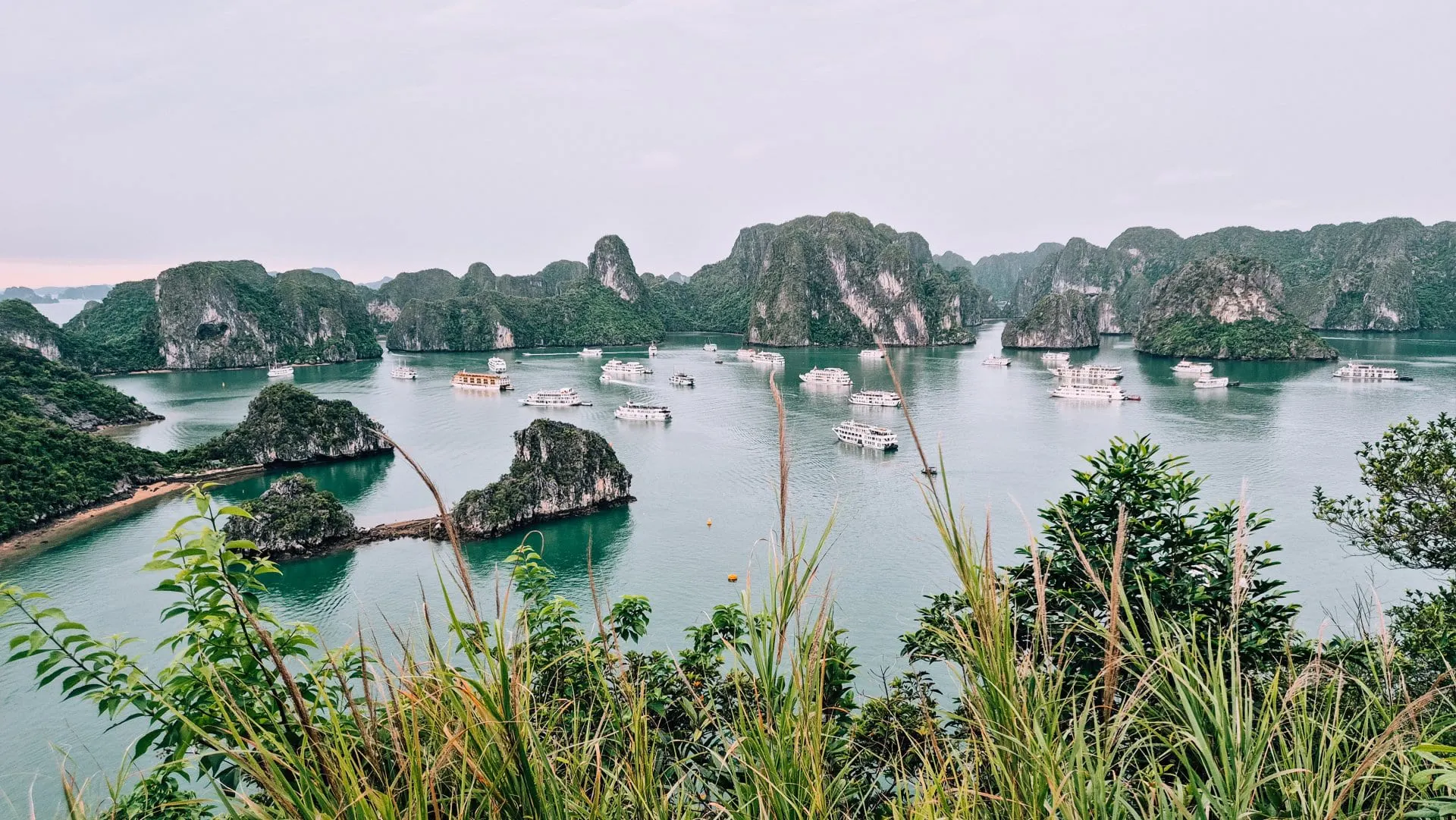
Planning a trip to Vietnam is easier with practical advice tailored to the country’s climate, geography, transportation, food culture, and everyday customs. Learn what to pack, how to manage cash and connectivity, choose transportation, stay safe, cross busy streets, order local food, and respect cultural traditions. Vietnam’s regions also have different weather patterns and travel distances, so understanding where and when you travel can help you build a more comfortable itinerary. Use these Vietnam travel tips to prepare confidently and make better decisions throughout your journey.
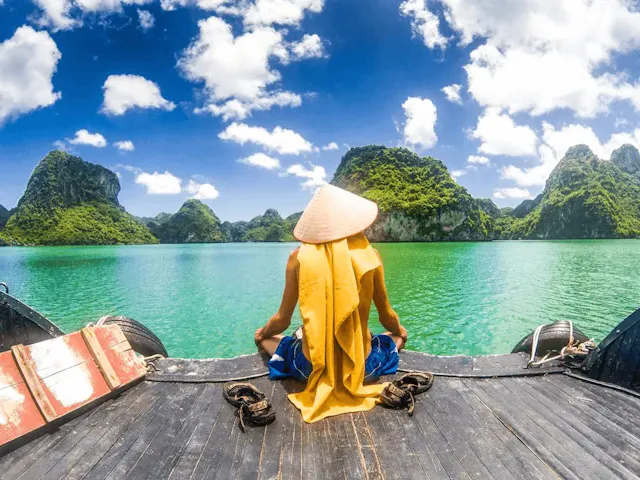
Traveling in Vietnam is easier and more enjoyable when you understand a few practical details before you arrive. Vietnam stretches from the mountains of the north to the tropical Mekong Delta in the south, so weather, transportation, travel time, and local conditions can vary considerably by region. Good preparation does not mean planning every moment of your trip. Instead, knowing how to manage money, connectivity, transportation, food, weather, and local customs can help you travel more comfortably.
One of the first things to consider is Vietnam's regional weather. Northern Vietnam can experience cooler temperatures during winter, while Central and Southern Vietnam generally remain warmer. Rainy seasons also differ between regions. Check the weather for your specific destinations before deciding what to pack or when to travel.
Cash remains useful throughout Vietnam, particularly at local markets, street-food stalls, small restaurants, and businesses outside major tourist areas. Cards and digital payments are increasingly common in cities, but carrying some Vietnamese dong provides flexibility. A local SIM or eSIM can also be useful for maps, translation, ride-hailing, bookings, and staying in contact while traveling.
Transportation requires some planning because Vietnam is a long country. Domestic flights, trains, buses, private cars, and ride-hailing services each suit different journeys. Avoid creating an itinerary with too many distant destinations. Allow enough time for traffic, transfers, weather, and occasional delays, especially when traveling through mountainous or rural areas.
Food is another important part of the experience. Try local dishes and busy food establishments, while considering food allergies and personal dietary requirements. Bottled or reliably treated water is a practical choice when you are uncertain about the local water supply.
Respect for Vietnamese customs and religious spaces is equally important. Dress appropriately when visiting temples and pagodas, ask before photographing people in sensitive situations, and observe local practices during religious ceremonies.
Finally, leave some flexibility in your itinerary. A slower schedule gives you time to explore local cafés, markets, neighborhoods, and unexpected stops. By combining basic preparation with flexibility, travelers can experience Vietnam more comfortably while leaving room for spontaneous discoveries.
Get practical travel tips for exploring Vietnam with confidence. Discover useful advice on transportation, local customs, food, weather, budgeting, safety, and everyday travel essentials to help you plan a smoother and more enjoyable trip.

Planning a 2-week trip to Vietnam? This guide helps you estimate how much cash to bring, based on daily travel costs, accommodation, food, transportation, and activities. It also explains ATM usage, currency exchange tips, and whether you should rely on cash or cards while traveling in Vietnam. Understanding your budget in advance helps you avoid overspending and travel with confidence. Go Visit Vietnam provides a practical breakdown to help you manage your money efficiently during your Vietnam adventure.
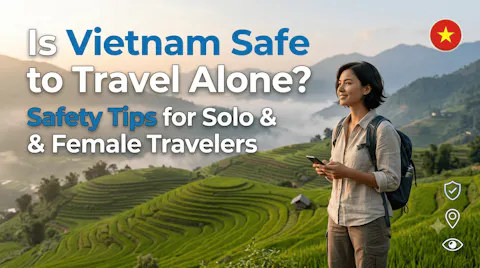
Vietnam is considered one of Southeast Asia’s most welcoming destinations for solo travelers, including women exploring the country independently. This guide covers personal safety, transportation, accommodation, scams to avoid, cultural etiquette, and practical advice for traveling confidently across Vietnam. Whether you are backpacking through the mountains, visiting vibrant cities, or relaxing on tropical islands, understanding local customs and basic safety tips can help you enjoy a smooth and memorable journey. Go Visit Vietnam helps you travel independently with confidence.
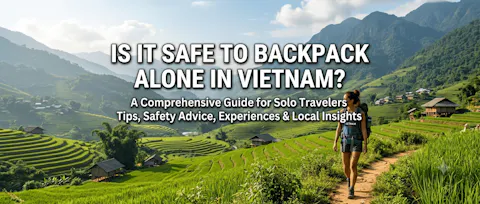
Vietnam is one of Southeast Asia’s most popular backpacking destinations, attracting independent travelers from around the world. This honest guide explores what it’s really like to backpack alone in Vietnam, covering personal safety, transportation, accommodation, local customs, scams to avoid, and practical travel advice. Whether you are traveling on a budget, exploring mountain villages, visiting bustling cities, or relaxing on tropical beaches, Go Visit Vietnam helps you prepare for a safe, enjoyable, and unforgettable solo backpacking adventure.
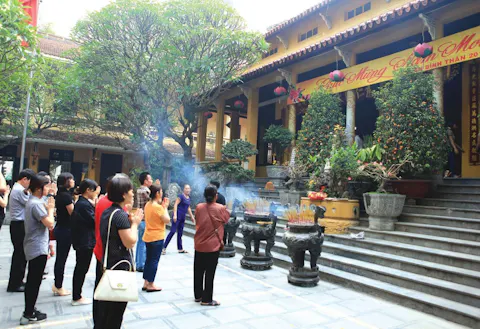
Visiting temples is an important part of experiencing Vietnam’s rich cultural and spiritual heritage. Wearing appropriate clothing shows respect for local customs and creates a more meaningful travel experience. This guide explains what to wear when visiting temples in Vietnam, including recommended outfits, cultural etiquette, items to avoid, and practical tips for exploring religious sites comfortably. Whether you visit ancient pagodas, Buddhist temples, or historic shrines, Go Visit Vietnam helps you prepare with confidence and respect for local traditions.
Travel smarter with expert tips designed to help you make the most of your journey through Vietnam. From money-saving advice and cultural etiquette to transportation, packing guides, safety recommendations, and local insights, these articles provide everything you need for a smooth, enjoyable, and unforgettable travel experience across Vietnam.
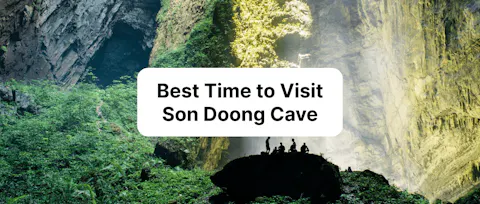
Choosing the right season is essential for an unforgettable Son Doong Cave adventure. Due to weather conditions and conservation efforts, expeditions operate only during a limited period each year. Understanding rainfall patterns, temperatures, river levels, and tour availability will help you plan the perfect trip. This guide explains the best months to visit Son Doong, what weather to expect, when tours are available, and how seasonal conditions influence trekking safety and the overall experience inside the world's largest cave.
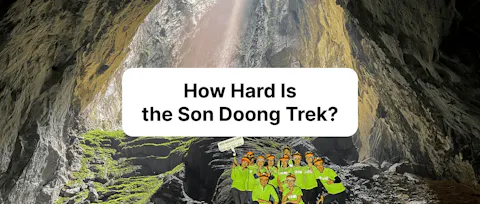
The Son Doong expedition is one of Vietnam's most demanding adventure experiences, requiring several days of trekking through dense jungle, river crossings, steep climbs, and rugged cave terrain. While you don't need to be a professional athlete, participants should have good physical fitness, endurance, and confidence hiking in challenging conditions. This guide explains the trek's difficulty, fitness expectations, training recommendations, and practical preparation tips to help you safely complete the unforgettable journey into the world's largest cave.
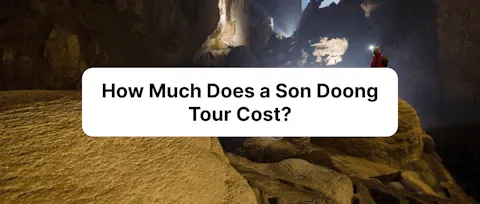
A journey to Son Doong Cave is one of the world's most exclusive adventure experiences, but it comes with a premium price tag. With limited permits, expert guides, safety teams, camping equipment, meals, and conservation fees included, the expedition typically costs around US$3,000 per person. This guide explains exactly what you're paying for, why the tour is so expensive, and whether exploring the world's largest cave is truly worth the once-in-a-lifetime investment.
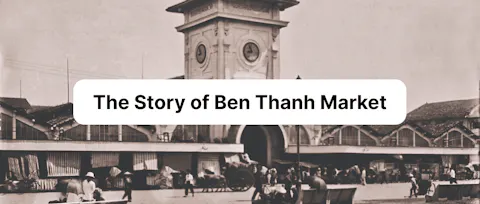
Ben Thanh Market is far more than a bustling shopping destination—it's one of Ho Chi Minh City's most enduring historical landmarks. Established over a century ago, the market has witnessed the transformation of Saigon through colonial times, independence, and modern development. From its iconic clock tower to its unique architectural design and vibrant trading culture, Ben Thanh Market reflects the city's rich heritage. Discover the fascinating history and hidden stories behind one of Vietnam's most recognizable landmarks.
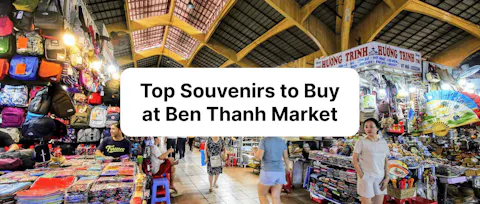
Ben Thanh Market is one of Vietnam's best places to shop for souvenirs, offering everything from handcrafted lacquerware and embroidered textiles to Vietnamese coffee, spices, and local snacks. However, with hundreds of stalls and thousands of products, it can be difficult to know which items are worth buying and which are better avoided. This guide highlights the best souvenirs to bring home, practical shopping tips, and common tourist traps to help you shop confidently and get the best value.
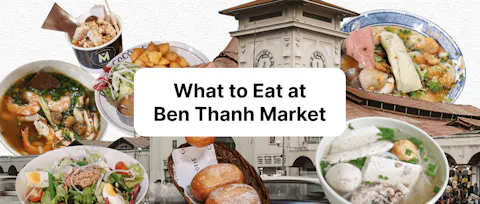
Ben Thanh Market is more than a shopping destination—it's one of Ho Chi Minh City's best places to experience authentic Vietnamese street food. From steaming bowls of Pho and Bun Bo Hue to crispy Banh Xeo, fresh spring rolls, sweet desserts, and refreshing local drinks, the market offers flavors from across Vietnam under one roof. This guide highlights seven must-try food stalls and dishes that will help you enjoy an unforgettable culinary adventure at Ben Thanh Market.
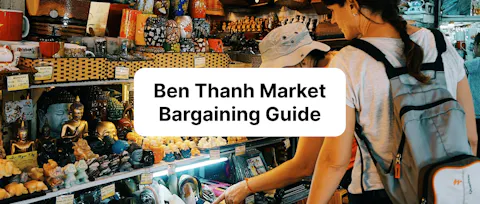
Shopping at Ben Thanh Market is an essential Ho Chi Minh City experience, and bargaining is part of the tradition. While first-time visitors may feel unsure about negotiating prices, a few simple techniques can help you shop confidently and respectfully. This guide explains how bargaining works at Ben Thanh Market, how much you should negotiate, common mistakes to avoid, and practical tips that locals and experienced travelers use to secure fair prices while enjoying one of Vietnam's most iconic markets.
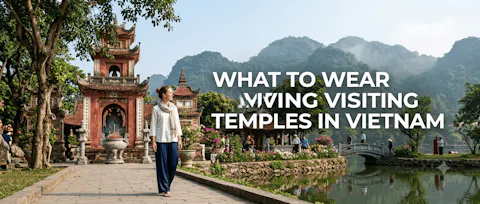
Visiting temples is an important part of experiencing Vietnam’s rich cultural and spiritual heritage. Wearing appropriate clothing shows respect for local customs and creates a more meaningful travel experience. This guide explains what to wear when visiting temples in Vietnam, including recommended outfits, cultural etiquette, items to avoid, and practical tips for exploring religious sites comfortably. Whether you visit ancient pagodas, Buddhist temples, or historic shrines, Go Visit Vietnam helps you prepare with confidence and respect for local traditions.